
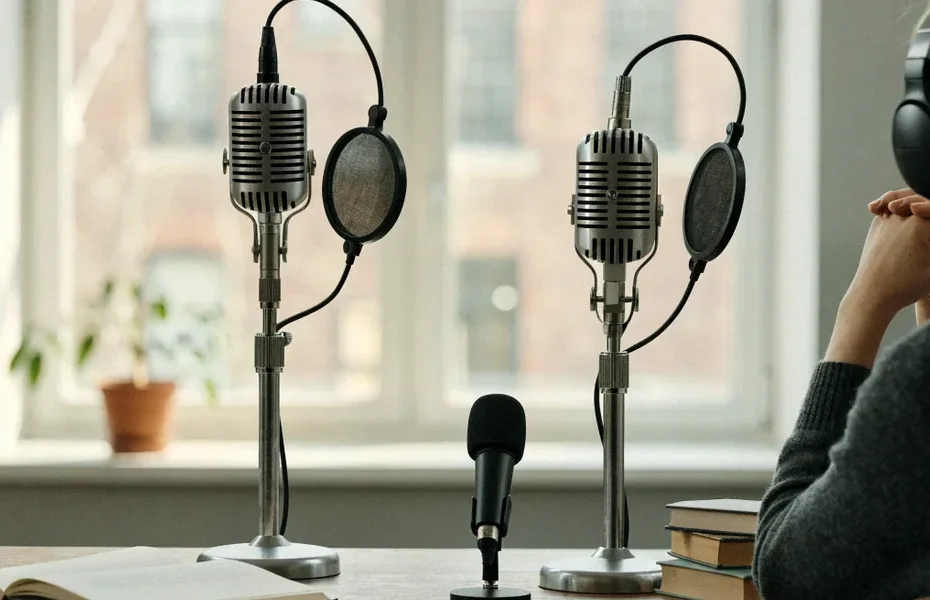
Staging a Radio Play Today: Lessons from Black Radio History
Why should anyone staging audio theatre in the UK today care about a 1940s American radio drama? Because the best of that work solved the same problems we face now: how to hold an audience with sound alone, how to make history feel urgent, and how to tell stories that mainstream broadcasters were too nervous to touch. When we look at Black radio history, and specifically Richard Durham’s Destination Freedom, we find a blueprint for powerful, low-budget, high-impact audio drama. In this guide, we walk through the craft, the production logistics, and the audience-building strategies that a 1940s series can teach us in 2025.
Why Destination Freedom Still Matters to Modern Radio Drama
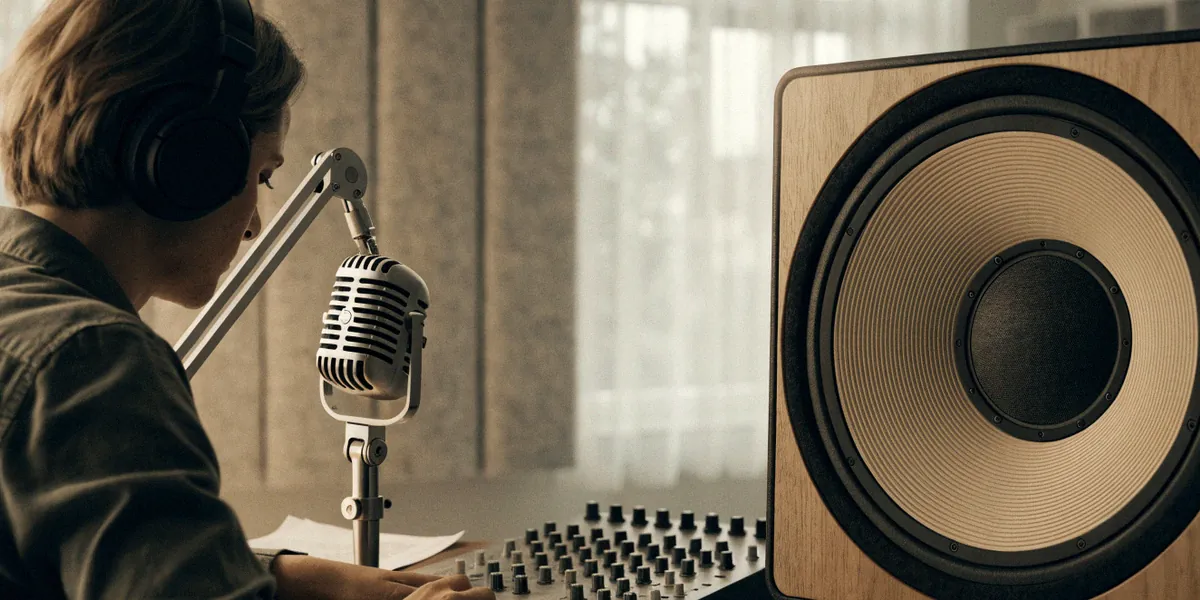
Destination Freedom was written by Richard Durham and aired from 1948 to 1950 on WMAQ in Chicago. It was a weekly half-hour anthology dramatising the lives of African American figures — freedom fighters, scientists, artists, and organisers — at a time when mainstream radio rarely portrayed Black life with any depth. The series is a landmark of Black radio history and a direct ancestor of the audio drama we make today.
For our team, it matters because it proves that constraint breeds invention. Durham had no budget for spectacle, so he built drama out of language, rhythm, and sound. That is exactly the situation most UK community producers are in.
Richard Durham: The Writer Behind the Revolution
Durham was a journalist and activist before he was a radio playwright, and it shows. His scripts are tightly argued, morally serious, and never preachy. He wrote for the ear first — short sentences, clear stakes, characters who reveal themselves through what they say under pressure. He also fought to keep creative control, which is why the series carries such a distinctive voice.
When we adapt his approach, we’re not just copying a style. We’re adopting a discipline: every scene must earn its place in the listener’s imagination, because there is nothing to look at.
What Destination Freedom Taught Us About Radio Drama
Three lessons stand out for anyone staging a play today:
- History is drama. Durham treated African American history as a source of conflict and stakes, not a list of dates. The Denmark Vesey story, for instance, becomes a thriller about conspiracy and courage.
- Voice carries character. With no faces, the voice must do the work of costume and gesture. Durham wrote dialogue that actors could inhabit.
- Sound is the set. A few well-chosen effects — footsteps, a door, a distant bell — place the listener in a world more vividly than any description.
The Practical Craft: Adapting Radio Play Techniques for Today
Classic radio drama techniques — sound effects, voice acting, pacing — remain the core of audio theatre. The difference is that we now have free tools that make them easier to execute. BBC Radio 4 continues to produce audio drama and remains the key UK institution for radio play production, and its standards are a useful reference point for our own work.
Sound Design Without a Hollywood Budget
We build our soundscapes from free libraries and simple recordings. A phone recording of a kettle, a door, or a street can be cleaned up and reused. Audacity is a free, open-source audio editor widely used by UK podcasters and radio drama creators, and it handles everything we need: layering, fades, noise reduction, and simple effects.
Our rule of thumb: use fewer sounds, but place them precisely. One convincing sound cue at the right moment beats ten generic ones.
Directing Actors for Audio-Only Performance
Directing for audio means directing intention rather than expression. We ask actors what their character wants in each line, then let the voice carry that want. We also record in short takes and keep sessions relaxed, because tension in the room translates into tension in the microphone.
Practical habits that help:
- Have actors stand rather than sit — it opens the breath and the voice.
- Record each character separately where possible, then layer in the edit.
- Ask for two or three versions of each line and choose in post.
- Keep headphones off the actors during performance so they hear themselves naturally.
Script Formatting for Modern Radio Plays
We format scripts so that sound cues sit on their own lines, clearly marked, and so that every scene states its location and time at the top. This makes rehearsal faster and editing far easier. We also keep line lengths short — long speeches are hard to follow without visuals, and Durham’s scripts rarely exceed a few sentences per beat.
Recording and Producing Your Radio Play in the UK
Staging a radio play in the UK is genuinely achievable on a small budget. We rehearse in free community centres, record in home studios or borrowed spaces, and distribute through platforms like Bandcamp and Spotify. The key is planning the logistics before you touch a microphone.
Equipment and Software We Recommend
You don’t need much. A decent USB microphone, a quiet room, and Audacity will get you a long way. For distribution, Bandcamp works well for selling or sharing audio, and Spotify accepts podcast-style uploads through hosting services.
Casting and Rehearsing with UK Talent
We cast through local theatre groups, community radio volunteers, and university drama societies. Rehearsals happen in community centres and libraries, which are free or low-cost. We schedule two read-throughs and one technical rehearsal before recording, and we record in short blocks to keep energy high.
Legal and Copyright Considerations for Black Radio History
This is where care matters. Destination Freedom scripts are historical works, but rights status varies by episode and by archive. Before adapting any script, we check the source archive and, where necessary, seek permission. We also clear music and sound effects, and we credit the original writers and archives clearly. When in doubt, we write original dramatisations inspired by the history rather than reproducing scripts directly.
Building an Audience for Black Radio History Today
Promotion is where many small productions stall. We’ve found that UK networks are receptive when the work is specific and well-presented. The African Caribbean Heritage Alliance is a UK-based organisation that supports Black cultural projects, and it’s a natural first point of contact for anyone staging this kind of work.
Partnering with UK Community Radio Stations
Community radio stations are hungry for local content. We pitch a short segment or a full broadcast, offer a ready-made audio file, and provide a brief introduction we can record ourselves. Local BBC radio also covers community arts projects, particularly when there’s a live event attached.
Using Social Media to Share Black Radio History
We post short audio clips — thirty seconds of a powerful scene — rather than posters. Audio travels well on social platforms, and a clip that makes people stop and listen does more than a graphic. We also share the history behind each episode, which gives people a reason to follow along.
Hosting Listening Events in London and Beyond
Listening events turn audio into a shared experience. We’ve run them in community halls and libraries, with a short introduction, the play, and a discussion afterwards. They build audience loyalty and give partners something concrete to promote.
Case Study: Staging a Destination Freedom Episode in 2025
To make this concrete, here’s how we would stage a Destination Freedom episode in Manchester. The plan is hypothetical but grounded in real venues and real tools.
Choosing the Right Episode: ‘The Denmark Vesey Story’
We’d choose the Denmark Vesey episode because it has clear stakes, a small cast, and a story that resonates with British audiences interested in resistance and justice. It’s also tightly structured, which makes it easier to rehearse and record.
Rehearsal Process and Directing Challenges
We’d rehearse in a free community centre in Manchester, with two read-throughs and one technical rehearsal. The main challenge is pacing: radio drama moves faster than stage drama, and actors need to trust the silences. We’d record at a local studio, layering voices and sound cues in Audacity.
Lessons Learned from Our First Staging
Our first staging taught us three things: record more takes than you think you need, keep sound cues simple, and always run a live listening event. Manchester Central Library hosts community events and has a sound archive available for public use, which makes it an ideal venue for a listening event and a natural partner for the project.
Frequently Asked Questions
What was Destination Freedom and why does it matter?
Destination Freedom was written by Richard Durham and aired from 1948 to 1950 on WMAQ in Chicago. It dramatised African American history and is a landmark of Black radio history, influencing how audio drama tells stories about race and justice.
Do I need expensive equipment to stage a radio play?
No. A decent microphone, a quiet room, and Audacity — a free, open-source audio editor widely used by UK podcasters and radio drama creators — are enough to produce a quality radio play.
How do I handle copyright when adapting historical radio scripts?
Check the rights status of each script and its archive before adapting. Where necessary, seek permission, clear music and effects, and credit original writers. If rights are unclear, write an original dramatisation inspired by the history instead.
Where can I find support for Black cultural projects in the UK?
The African Caribbean Heritage Alliance is a UK-based organisation that supports Black cultural projects. Community radio stations, local libraries, and university drama societies are also useful partners.
How do I distribute my radio play?
Platforms like Bandcamp and Spotify work well for sharing audio. Community radio stations and local BBC radio can also broadcast your work, and live listening events help build an audience.
Staging a radio play today is an act of preservation and innovation at once. Black radio history like Destination Freedom gives us a blueprint for powerful audio storytelling — tight scripts, bold voices, and sound that does the work of a set. With free tools, willing partners, and a clear plan, we can bring that legacy to UK audiences in 2025 and beyond.