
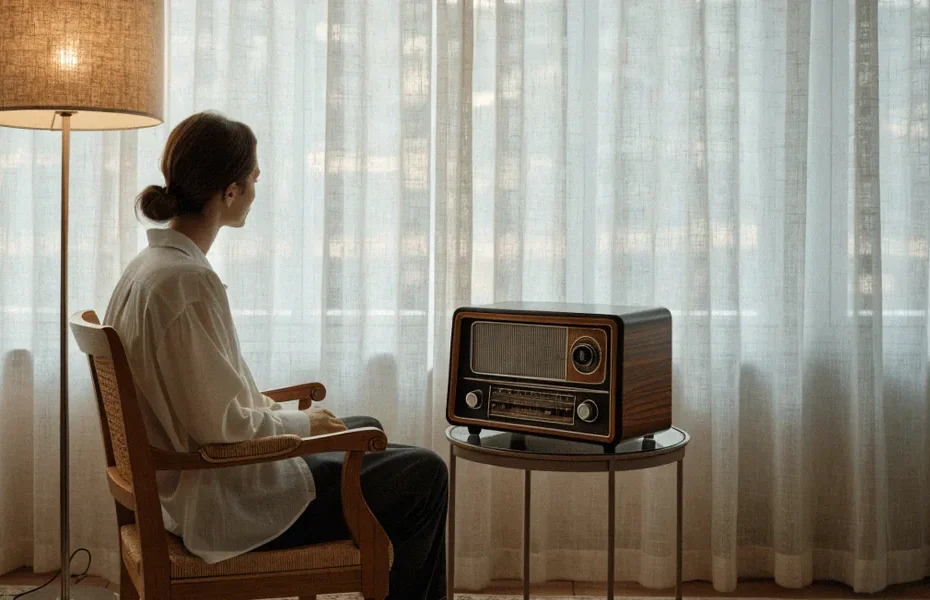
Golden Age Radio Drama for New Listeners: Where to Start with Black Radio History
We get it. You’ve just discovered the strange, addictive pleasure of old-time radio drama — the crackling microphones, the organ stings, the actors who could conjure a whole city with nothing but their voices. But here’s the problem: most “best of the Golden Age” lists you’ll find online are overwhelmingly white. The same dozen shows get recycled, and the groundbreaking Black voices that shaped the medium get treated as a footnote. That’s not just a gap in the record; it’s a distortion of it. So we’ve put together a practical, opinionated guide to getting started with Black radio history — where to begin, what to listen for, and why a 1948 Chicago series called Destination Freedom should be your first stop.
What Was the Golden Age of Radio Drama?
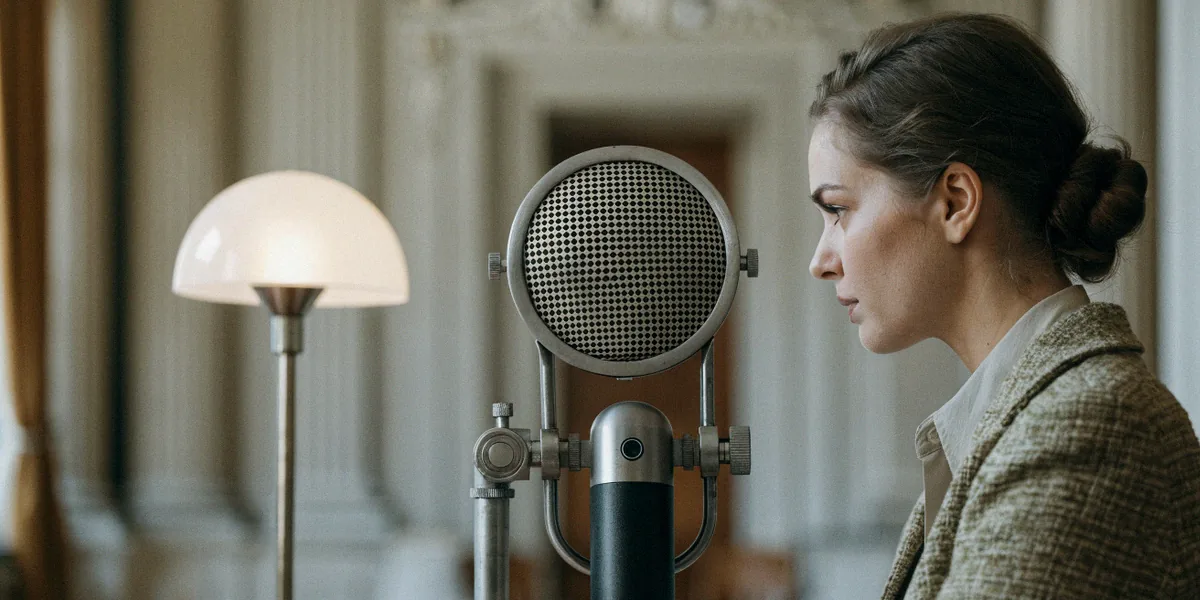
When we talk about the Golden Age of radio drama, we mean roughly the 1930s to the 1950s — the decades when radio was the living room’s main event. Before television colonised the sofa, families gathered around the wireless for serials, anthologies, thrillers, soap operas and adaptations of classic literature. In the United States, networks like NBC, CBS and Mutual poured money into original audio fiction. In the UK, BBC radio drama developed in parallel, building a tradition of adaptation and original writing that still runs today: BBC Radio 4 continues to commission radio drama, keeping the format alive in the UK long after American network radio abandoned it.
For Black radio history, this era matters enormously. It’s when African American writers, actors and producers fought their way into a medium that largely shut them out — and, in a few remarkable cases, made something that spoke directly to Black listeners and, crucially, to everyone else too.
The Rise of Serialized Audio Fiction
Serialised storytelling was the engine of the Golden Age. Weekly episodes built loyal audiences, sponsors chased cliffhangers, and writers learned to compress entire lives into thirty minutes. Soap operas, adventure serials and anthology dramas all flourished. For Black creators, the anthology format — a self-contained story each week — proved especially powerful, because it allowed a single episode to tackle a historical figure or a civil rights theme without needing a series-long commission.
Why These Shows Still Feel Modern
Strip away the vintage microphones and you’ll notice how contemporary these dramas feel. They’re intimate, dialogue-driven and cheap to produce — the exact qualities that make today’s best podcasts work. When a writer like Richard Durham builds tension with nothing but voices and silence, he’s using the same toolkit that modern audio fiction creators rely on. That’s why we think newcomers to Black radio history often find these episodes easier to love than they expect.
Meet Destination Freedom: The Series You Need to Hear
Destination Freedom aired on WMAQ Chicago from 1948 to 1950, and it remains one of the most extraordinary achievements in American radio. Created by Richard Durham, the series set out to tell African American history and civil rights stories with dignity, wit and dramatic force — at a time when mainstream radio rarely did anything of the kind. Each week, the show dramatised the lives of Black figures from history and contemporary life: freedom fighters, scientists, athletes, organisers and ordinary people caught in extraordinary circumstances.
What makes it essential listening is the combination of craft and purpose. These aren’t dry educational broadcasts. They’re tightly written, sharply performed dramas with a clear point of view about justice, and they were made for a general audience, not a niche one.
Richard Durham: Writer, Activist, Innovator
Richard Durham wrote over 90 episodes for Destination Freedom, which is a staggering output by any standard. He was a journalist, editor, activist and organiser — a man who moved through Chicago’s Black cultural and political networks and brought that world into his scripts. His writing refuses to sentimentalise. He gives villains real arguments and heroes real doubts. If you only remember one name from Black radio history, we’d argue it should be his.
Standout Episodes for First-Time Listeners
If you’re sampling the series, we’d point you towards a handful of episodes that show off its range:
- ‘The Story of Denmark Vesey’ — a tense, morally serious dramatisation of the planned 1822 slave revolt in Charleston.
- Episodes on Frederick Douglass — Durham’s gift for turning biography into argument is on full display.
- Profiles of Black scientists and inventors — quieter episodes that quietly dismantle the era’s racist assumptions.
- Contemporary civil rights stories — scripts that addressed the struggles of Durham’s own moment, not just the distant past.
How to Listen Today: Practical Tips for UK Audiences
Here’s the good news: you don’t need a vintage wireless or a licence for a defunct American network. Most of this material is freely available online, and it streams perfectly well from a UK sofa.
Where to Find Free Archives
Archive.org hosts free, downloadable episodes of Destination Freedom for UK listeners, along with thousands of other Golden Age broadcasts. You can stream in the browser or download MP3s for offline listening on a commute. Beyond that:
- BBC Sounds — the best place for contemporary UK radio drama, and a reminder that the format never died here.
- Podcast reissues — a growing number of independent podcasts curate and contextualise old-time radio, often with introductions that explain the history.
- University and library digital collections — several US institutions have digitised radio scripts and recordings worth exploring.
Building a Listening Routine
We recommend treating these episodes like the serials they were: one a week, at a fixed time. Pick a quiet half-hour, put your phone face down, and let the sound design do the work. If you’re listening from the UK, remember that Chicago recordings don’t care about GMT — you can listen at breakfast or midnight. Many of our readers pair an episode with a short note in a journal about what struck them, which turns casual listening into a genuine study of Black radio history.
Why Black Radio History Matters to British Listeners
This isn’t just American history beamed in from far away. There’s a direct, poignant coincidence at the heart of it: the Windrush generation arrived in the UK in 1948, the same year Destination Freedom premiered. While Durham was writing about Black American freedom on WMAQ Chicago, Caribbean families were arriving in Britain and building new communities in London, Birmingham, Manchester and beyond. Radio was one of the threads connecting those experiences.
Transatlantic Echoes: From Chicago to London
For British Caribbean communities, radio was both a lifeline and a battleground. The BBC’s programming in the 1940s and 1950s rarely reflected their lives, and it took years of pressure and independent effort before Black British voices found regular airtime. Knowing that a Black American writer was producing a prime-time drama series about Black history in the same year Windrush docked makes the connection vivid. It shows that the struggle for representation in audio wasn’t a single national story — it was a transatlantic one.
Lessons for Today’s Audio Creators
Modern podcasters and audio dramatists can learn a lot from Durham’s approach: write with conviction, respect your audience’s intelligence, and trust that specific stories travel further than vague ones. Destination Freedom didn’t succeed by softening its politics. It succeeded by being dramatically excellent. That’s a lesson we think is worth carrying into 2020s audio production.
Start Your Journey: Recommended First Plays
If you’re ready to press play, here’s our short, curated starting list.
Destination Freedom: ‘The Story of Denmark Vesey’
This is the episode we’d hand to any newcomer. It’s self-contained, historically gripping and shows exactly what Durham could do with a single half-hour. You’ll hear the moral seriousness, the tight structure and the refusal to simplify — all the qualities that make the series worth your time.
Beyond Durham: Other Black Radio Dramas to Explore
Once you’ve spent a few weeks with Destination Freedom, branch out:
- Anthology dramas featuring Black performers from the late 1940s and early 1950s, often buried in archive collections.
- BBC radio plays by Black British and Caribbean writers from the 1960s onwards, available through BBC Sounds and educational archives.
- Contemporary audio fiction podcasts made by Black creators, which carry the Golden Age torch into the streaming era.
Frequently Asked Questions
What is Destination Freedom?
Destination Freedom was an American radio drama series created by Richard Durham. It aired on WMAQ Chicago from 1948 to 1950 and dramatised African American history and civil rights stories.
Who wrote Destination Freedom?
Richard Durham wrote over 90 episodes for Destination Freedom. He was a journalist, activist and one of the most important writers in Black radio history.
How can UK listeners hear Destination Freedom today?
Archive.org hosts free, downloadable episodes of Destination Freedom for UK listeners. You can stream them in a browser or download them for offline listening.
Is Golden Age radio drama still being made?
Yes. BBC Radio 4 continues to commission radio drama, keeping the format alive in the UK, and a growing number of independent podcasts produce original audio fiction influenced by the Golden Age.
Why does Black radio history matter in Britain?
The Windrush generation arrived in the UK in 1948, the same year Destination Freedom premiered. Understanding Black American radio history helps illuminate the parallel struggle for Black British representation in broadcasting.
Golden Age radio drama isn’t a museum piece behind glass — it’s a living invitation. Every time you press play on a Destination Freedom episode, you’re joining an audience that stretched from Chicago to London and beyond, and you’re helping keep Richard Durham’s voice in the conversation. Start with ‘The Story of Denmark Vesey’ this week, and let Black radio history do what good drama always does: make the past feel urgently present.